What is Powder Coating? What Materials Does It Contain?
What is Powder Coating?
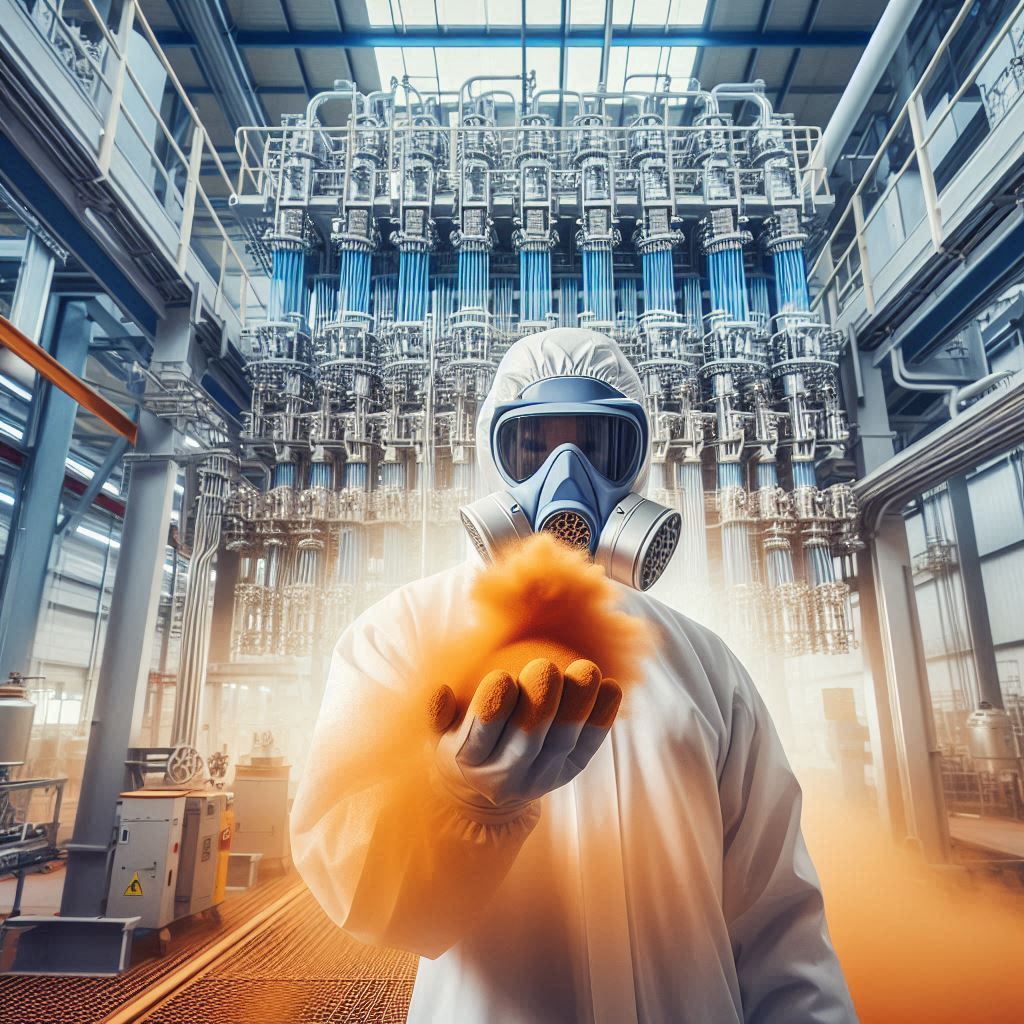
Powder coating is a dry coating method used to provide durable, aesthetic, and eco-friendly finishes on surfaces. Compared to traditional liquid paint, it offers a more environmentally friendly and resilient alternative. Applied to surfaces through an electrostatic process, powder coating cures under heat to form a hard and uniform finish.
Components of Powder Coating:
Resins (Polymers):
The primary binding material of powder coating.
Provides structure and durability to the coating.
Commonly used types include polyester, epoxy, or hybrid (epoxy-polyester) resins.
Pigments:
Provide color to the coating.
Enhance UV resistance and visual appeal.
Additives:
Improve surface smoothness, gloss, and durability.
Increase resistance to scratches, chemicals, or environmental factors.
Fillers:
Control coating thickness and enhance mechanical strength.
Used to improve cost-efficiency.
Curing Agents and Special Additives:
Optimize curing time and temperature.
Provide anti-static properties or special effects (e.g., metallic finishes).
Advantages of Powder Coating:
Eco-friendly, as it contains no solvents and has no VOC (volatile organic compounds) emissions.
Longer-lasting and more durable than traditional coatings.
Minimal material waste during application; recyclable.
Provides strong adhesion to various surfaces, especially metals like aluminum and steel.
Applications:
Powder coating is widely used in industries such as automotive, construction, furniture, home appliances, agricultural machinery, and many others.