1. Matte or Rough Surface Defects
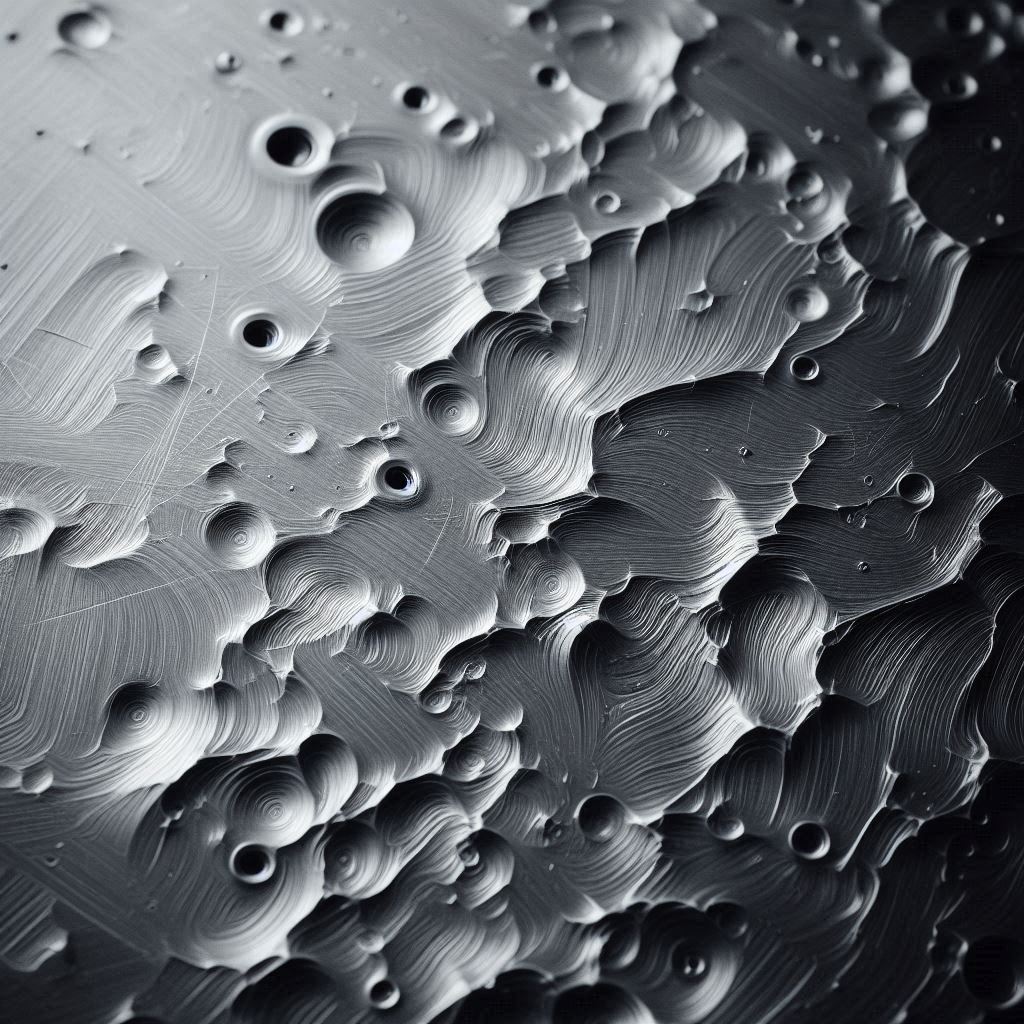
After anodizing, the surface of the aluminum is expected to be smooth and shiny. However, sometimes a matte or rough texture can occur. These issues are typically caused by:
- Low processing temperatures
- Insufficient current density
- Inadequate acidic solutions
2. Color Change or Uneven Coloring Defects
The color applied during anodizing is an essential aspect of the process. If the chemical balance of the solution is incorrect or the processing time is wrong, uneven or inconsistent coloring may occur. This is especially problematic for products that require a uniform aesthetic finish.
3. Cracks or Peeling Defects
Cracking or peeling is a significant defect that can appear on the surface of the aluminum after anodizing. This issue usually arises from:
- Excessive processing time
- Incorrect oxidation processes
- Contaminants such as oil and grease on the metal surface
- High stress applied to the surface Cracking and peeling reduce the strength and durability of the anodized surface.
4. Invisible Acidic Residue on the Surface
After anodizing, it’s important for the aluminum surface to be clean and uniform. However, if acidic residues remain on the surface, this can negatively affect the metal’s corrosion resistance. This issue often results from insufficient rinsing during the process.
5. Thin Anodic Film
The anodic film formed during the anodizing process plays a critical role in protecting the aluminum surface. If the current and temperature are not carefully controlled, the anodic film may become too thin, reducing its corrosion resistance. This is especially problematic for applications requiring high strength and durability.
6. Formation of Double Layers
Sometimes, excessive current or prolonged processing time can result in the formation of double layers. These additional layers can prevent the surface from functioning properly and weaken the overall durability of the material.
7. Corrosive Effects
Corrosion may occur on the aluminum surface after anodizing. This is typically caused by overly strong acidic solutions or insufficient rinsing, which can leave traces of acid that affect the material’s long-term performance.
Conclusion
Anodizing is a powerful method for enhancing the appearance and durability of aluminum surfaces. However, there are several factors that can lead to defects during the process. To avoid these issues, it is crucial to use the correct equipment, chemical solutions, and an experienced team. By properly managing these aspects, optimal results can be achieved, extending the lifespan of anodized aluminum surfaces.
For more information or to request a customized solution for your project, please don’t hesitate to contact us.