
What Makes Laminated Glass the Best Choice for Safety and High Quality?
Laminated glass is produced by bonding two or more layers of glass with a polyvinyl butyral (PVB) interlayer. This design not only offers an aesthetically pleasing appearance but also stands out with its safety and durability features.
Features and Advantages of Laminated Glass
Safety
The glass holds its fragments together when broken, preventing shattering. This feature reduces the risk of injury in accidents and makes it harder for intruders to break in.
Sound Insulation
The PVB interlayer minimizes external noise, creating a quieter indoor environment.
UV Protection
Glass blocks 99% of harmful UV rays, preventing interior furnishings and other items from fading over time.
Durability
It provides exceptional durability, offering extra protection against natural disasters, accidents, and external impacts.
Applications of Laminated Glass
- Buildings: Safety glass, curtain walls, balconies, and stair railings.
- Vehicles: Windshields and side windows.
- Commercial Spaces: Banks, museums, and stores requiring high security.
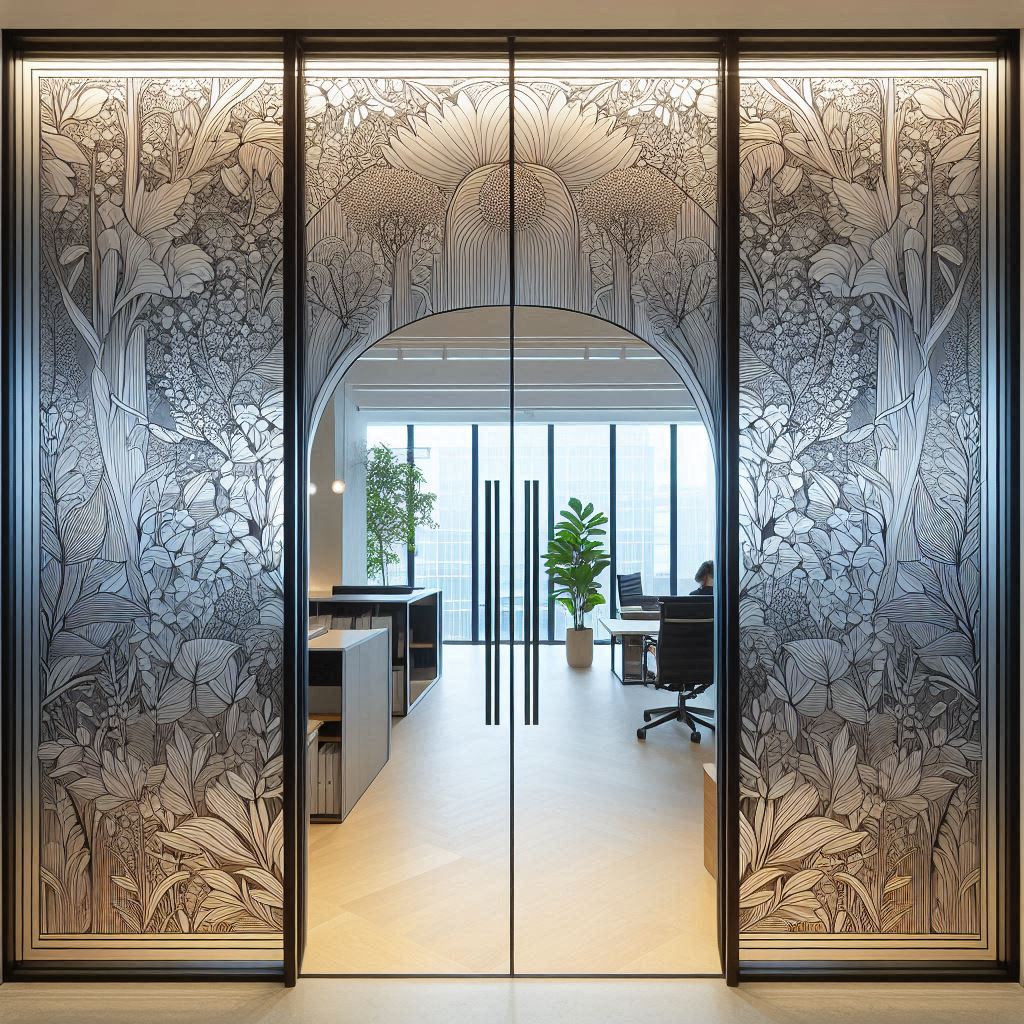
- Decorative Uses: Glass furniture, wall panels, and other aesthetic applications.
How is Laminated Glass Manufactured?
- A PVB film is placed between the layers of glass.
- Heat and pressure are applied to bond the layers tightly.
- This process creates an integrated structure that prevents the glass from shattering when broken.
Why Should You Choose Laminated Glass?
This type of glass meets both safety and aesthetic needs, adding value to your living and working spaces while providing long-term protection.
If you would like to learn more about this glass option or plan to use it in your projects, feel free to contact us.