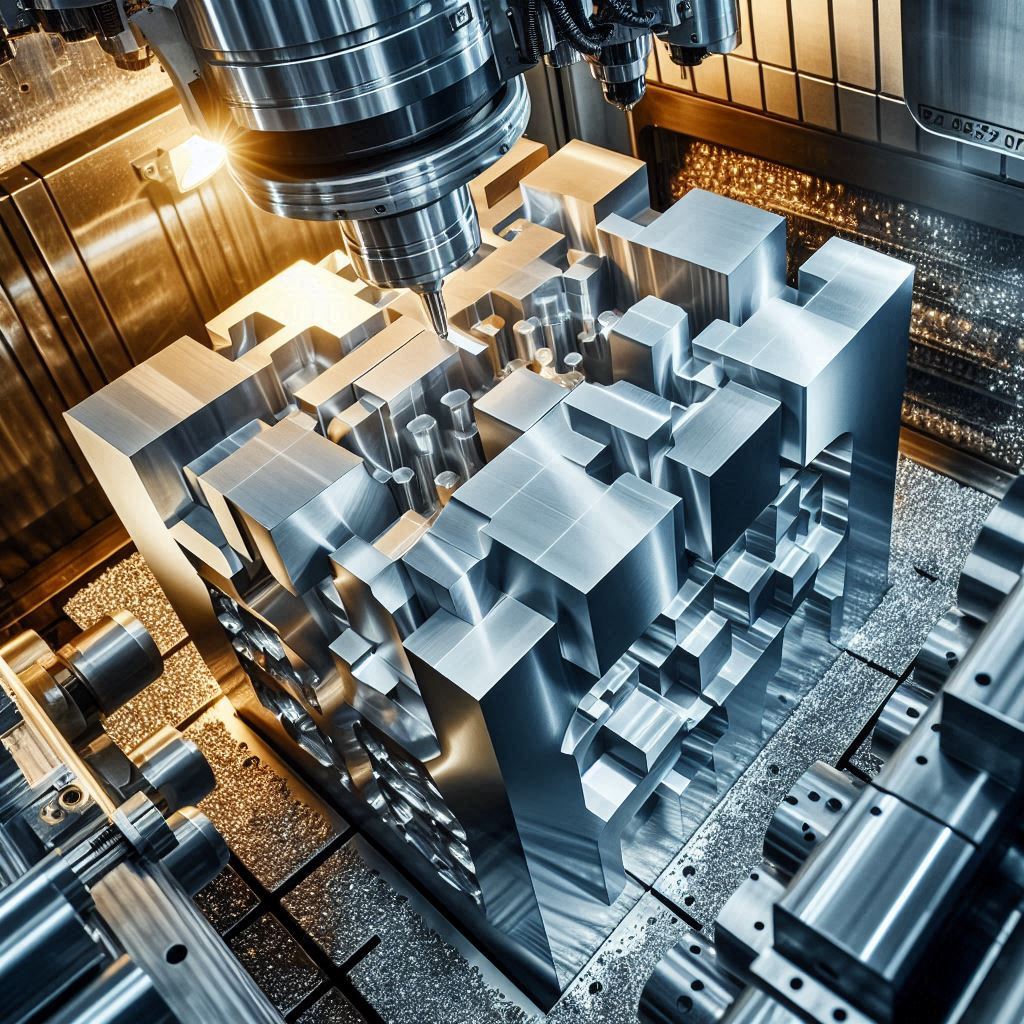
What are the areas of use of machining in the aluminum industry?
Aluminum, known for its lightness, durability, and machinability, is widely used across numerous industries. Aluminum machining enables the metal to be processed into various shapes, allowing the production of components with the desired properties. This machining process makes it easier to work with aluminum, and it is utilized in industries ranging from automotive to aerospace, electronics to construction. In this post, we will explore the most common applications of aluminum machining.
1. Automotive Industry
Aluminum is widely used in the automotive industry for its lightness and durability. Many parts of vehicles, such as engine components, chassis elements, body panels, and wheels, are made from aluminum. Machining processes enable the precise manufacturing of components like engine blocks, pistons, transmissions, and suspension parts. Moreover, automotive aluminum parts are designed to meet high strength and low weight requirements.
2. Aerospace and Aviation Industry
In the aerospace and aviation sectors, aluminum plays a critical role due to its aerodynamic properties and low weight. Aircraft bodies, wings, engine components, and landing gear are often made from aluminum alloys. Machining processes are used to manufacture these components with high precision, ensuring durability and performance. Aluminum’s lightness improves fuel efficiency, while its durability ensures safety.
3. Electronics and Electrical Industry
The electronics and electrical industries benefit from aluminum’s high conductivity. Components such as heat sinks, cooling systems, and connectors in electronic devices are often made from aluminum. The machining of these parts allows for precise and efficient production. Additionally, aluminum’s resistance to corrosion ensures the longevity of these components, making them suitable for long-term use in electronic devices.
4. Construction and Infrastructure
In the construction and infrastructure sectors, aluminum is used for applications like window frames, door systems, facade cladding, and structural components. Machining aluminum in these applications allows for high-quality, durable, and aesthetically pleasing products. Aluminum’s lightness makes it easier to transport and install, while its resistance to corrosion ensures that these components remain functional and attractive for many years.
5. Defense Industry
The defense industry uses aluminum for its lightweight and durable characteristics in the production of various military equipment and vehicles. Machining processes are applied to produce components for tanks, armored vehicles, military aircraft, rockets, and other defense products. These parts are typically made from high-strength aluminum alloys and are designed to withstand extreme conditions.
6. Consumer Electronics
Aluminum machining also plays a significant role in the production of consumer electronics. Devices such as smartphones, laptops, televisions, and other portable gadgets often feature aluminum enclosures. The demand for these devices to be both aesthetically pleasing and durable requires the use of machining processes to achieve precise and high-quality finishes. Aluminum also helps with heat dissipation, keeping electronic devices cool during operation.
7. Energy and Renewable Energy
Renewable energy systems, particularly solar panels and wind turbines, make use of aluminum for its lightweight, durability, and corrosion resistance. These properties help ensure the longevity and efficiency of renewable energy systems. Aluminum machining is used to shape the components of these energy systems, ensuring they are ready for installation and optimal performance in harsh environmental conditions.
8. Machinery and Equipment
In machinery and equipment manufacturing, aluminum machining is widely used. Components such as machine housings and transportation parts are often made from aluminum. Aluminum’s lightweight nature reduces the overall weight of machines, while also increasing processing speed and improving efficiency. Precision machining of these components is critical to ensuring the efficient operation of the machines.
Conclusion
Aluminum machining plays a critical role in the production of high-quality and durable components across various industries. Its lightness, durability, and machinability make aluminum an ideal material for applications ranging from automotive to aerospace, construction to energy. Aluminum machining offers high-performance solutions for sectors that require precision, quality, and reliability in their products.